The Architecture and Ergonomics of Optimal Roulette Table and Casino Layout Design

You walk into a casino and the energy hits you. The lights, the sounds, the… flow. Ever wonder why you’re drawn to certain areas, or why some tables just feel better to play at? It’s not magic. It’s meticulous, almost invisible design. The architecture of a casino floor and the specific ergonomics of a game like roulette are a science aimed at one thing: creating the perfect environment for play. Let’s pull back the curtain.
The Roulette Table: A Masterclass in Contained Chaos
At first glance, a roulette layout seems straightforward. A wheel, a betting grid. But honestly, every inch is calculated. The standard American double-zero table is about 8 feet long. That’s not random. It’s sized to accommodate roughly seven to eight players comfortably—enough for a social buzz, but not so many that the dealer loses control or players feel cramped.
The Geometry of the Betting Layout
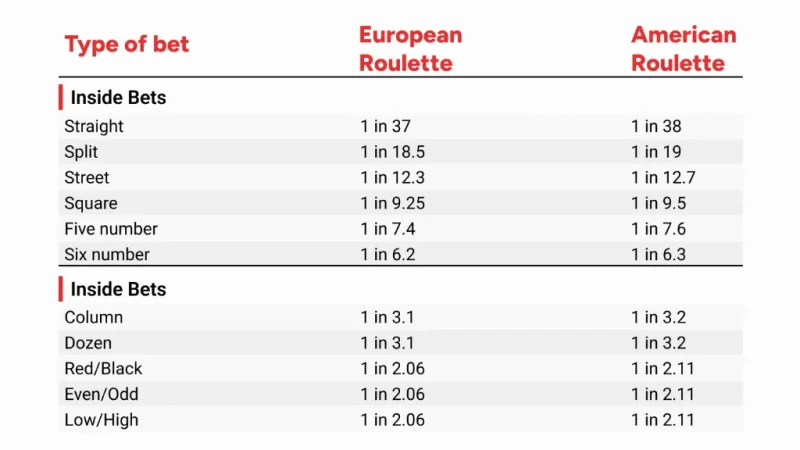
The green felt betting area is a study in information hierarchy. The inside bets (straight, split, street) are closest to the wheel. Why? They’re the high-risk, high-reward plays. Placing a chip on a single number is an intimate, deliberate action. The outside bets (red/black, odds/evens, dozens) are further down the table. These are the popular, simpler bets. This spatial separation naturally guides both novice and seasoned players to their comfort zones.
And the chip rails? That slightly raised, curved edge isn’t just for style. It’s a functional barrier. It prevents chips from rolling off the table in the excitement, sure, but it also psychologically marks a player’s territory. Your space. Your stack.
Casino Floor Layout: The Deeper Psychology
Here’s the deal: the roulette table doesn’t exist in a vacuum. Its placement on the casino floor is arguably more critical than its own design. Casinos are famously maze-like, and there’s a reason for that.
The “Pit” and Traffic Flow: Table games like roulette are usually clustered in a central area called the pit. This creates a hub of energy—a destination. The layout often follows a “freeway and feeder road” model. Wide main aisles guide you along, while smaller, inviting alcoves branch off, drawing you into the games. You’re never forced to play, but you’re gently funneled into considering it.
Slot machines, with their bright lights and constant noise, often line the pathways. They’re the attractors. But the tables? They’re positioned as the calmer, more sophisticated core. The journey from the flashy perimeter to the strategic heart of the roulette pit is a deliberate transition in player mindset.
Ergonomics: The Unseen Comfort
This is where it gets really human. Optimal casino design sweats the small stuff.
- Seating Height & Clearance: A standard roulette chair is 24-26 inches high, allowing an average person to rest their forearms comfortably on the table’s apron (which is typically 42-44 inches high). There’s also about 24 inches of knee clearance underneath. Discomfort is a distraction. Distraction leads to leaving.
- Sightlines & Visibility: A player must see the wheel and the dealer clearly, without straining. The wheel is always elevated. The dealer stands opposite, positioned so their hands and the wheelhead are visible to all, maintaining trust in the game’s integrity. Nothing should be hidden.
- The Sensory Mix: The cacophony of slots is often muted near table game areas. The carpet might be slightly plusher, the lighting a touch warmer and more direct over the table. It creates an intimate theater around the game. You hear the ball clattering, the dealer’s call, the collective groan or cheer. It’s immersive.
Modern Trends and Player-Centric Shifts
Casino design isn’t static. The old, dark, labyrinthine model is evolving, especially in integrated resorts. The new pain point? Appealing to a younger generation that values experience over pure gambling.
We’re seeing more open-plan layouts. Natural light. Fewer barriers. The goal is to feel less like a sealed vault and more like a luxury entertainment venue that just happens to have gambling. For roulette, this means tables might be positioned near trendy bars or live music stages, blending the social and gaming experiences seamlessly.
Technology, too, is creeping in. Electronic betting interfaces at live tables cater to those who want the human dealer but digital convenience. The table architecture adapts, integrating screens without disrupting the classic feel.
The Dealer’s Perspective: The Other Half of the Equation
We often forget the ergonomics for the one running the game. A dealer standing for an 8-hour shift needs a design that minimizes fatigue and error. The wheel is at a precise height to allow a smooth, consistent spin. The chip tray is angled for quick counting. The “drop” box for cash is seamlessly integrated into the table’s structure. An efficient dealer creates a faster, more enjoyable game—so their comfort is directly tied to the house’s profit.
Think of it like a cockpit. Everything the dealer needs—chips, wheel, layout—is within a natural reach arc. No stretching, no unnecessary movement. It’s a workflow engineered for precision.
A Final Spin on Design
So, next time you lean over a roulette table, placing a chip on your lucky number, take a second to feel the space around you. Notice how the chair supports you, how the light falls on the wheel, how the noise of the casino seems to fade into a murmur right at the table’s edge.
The architecture and ergonomics of optimal roulette table design aren’t about trickery. Well, not exactly. They’re about removing friction, creating comfort, and fostering a sense of focused engagement. It’s a physical platform designed to make the game—the sheer thrill of chance and strategy—the only thing on your mind. And in that goal, the silent geometry of the table and the hidden pathways of the floor succeed, utterly.