Cultural Variations in Jackpot Games Around the World
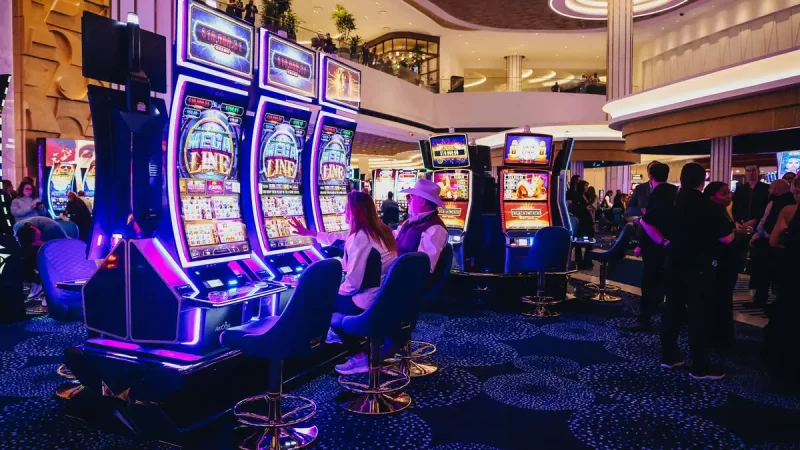
Think of a jackpot. What comes to mind? For many, it’s the blinding lights of a Las Vegas slot machine or the massive, life-altering numbers of a Powerball draw. But here’s the deal: the concept of hitting it big is universal, but the games, the rituals, and the very meaning of a “jackpot” are painted in wildly different cultural colors. Honestly, it’s fascinating.
Let’s dive in. From numbers chosen by spirits to lotteries that built nations, the world of jackpot games is a mirror held up to society’s hopes, fears, and beliefs.
More Than Luck: Spirituality and Symbolism
In many cultures, luck isn’t random—it’s influenced by spiritual forces. This belief fundamentally shapes how jackpot games are played. You can’t just pick numbers; you have to listen for them.
Dreams and Ancestral Messages
In China and across many Asian communities, dream interpretation is a serious lottery strategy. Dreaming of a specific animal, object, or event corresponds to a number in traditional dream books. A dream about a ship might be number 08, a falling tooth could be 17. It’s a system. Players aren’t just gambling; they’re decoding messages from the subconscious or even ancestors.
Similarly, in parts of Latin America, it’s common to consult with spiritualists or use “charms” before buying a ticket. The game starts long before the draw.
The Numerology of Everyday Life
Numbers themselves carry immense weight. In Chinese culture, the number 8 (sounding like “prosperity”) is incredibly lucky, while 4 (sounding like “death”) is avoided at all costs. You’ll see this reflected in jackpot prize amounts and chosen numbers. Conversely, in the West, 7 is the classic lucky charm, and 13 is the one to avoid. It’s a simple, yet powerful, cultural lens.
Community vs. The Individual Winner
This is a big one. The Western narrative is often the lone wolf winner, the individual who beats the odds and rides off into the sunset alone. But in many places, the jackpot is a communal affair from the start.
Take the Spanish Christmas Lottery, “El Gordo.” It’s less about one person winning a colossal sum and more about thousands of people winning smaller, yet still life-changing, amounts. Tickets are sold in fractions, shared among families, coworkers, and entire towns. The draw is a national event. The joy is spread out—a cultural preference for shared fortune over a single, isolating windfall.
In contrast, the U.S. Mega Millions or Powerball model celebrates the singular, astronomical winner. The culture of individualism is right there in the prize structure.
Historical Roots and National Identity
Some jackpot games are woven into the fabric of a nation’s history. They’re not just games; they’re institutions.
| Game & Country | Cultural & Historical Angle |
| UK National Lottery | Established in 1994, it directly funds arts, heritage, and community projects via “The National Lottery Community Fund.” Playing is often framed as a contribution. |
| Italian “Lotto” | Dates back to the 16th century in Genoa. It’s deeply traditional, with bets placed on numbered tickets based on regional draws. It feels more like a heritage ritual than a flashy game. |
| Japanese “Takarakuji” | These are public welfare lotteries run by local governments. The proceeds fund public works. The social good aspect is a major part of their marketing and public perception. |
Game Mechanics and Local Flavors
The actual design of the games adapts to local tastes. Slot machines in Europe often have lower volatility—smaller, more frequent wins to prolong play. In North America, you get the high-volatility, massive-jackpot model. It’s a different pace, a different thrill.
And then there are games unique to their region. Consider:
- Bingo in the UK: More than a game, it’s a social event in community halls and massive commercial bingo halls. The chatter, the rituals, the caller’s slang—it’s a specific cultural experience.
- “Polla” or “Lotería” in Latin America: Often informal, neighborhood-based football (soccer) betting pools or traditional lottery games with iconic images. They’re deeply embedded in local social structures.
The Digital Shift and Global Blending
Okay, so with online casinos and global lottery platforms, are these cultural variations fading? Well, not exactly. They’re evolving. Sure, a player in Japan can now play a Vegas-style progressive slot. But platforms that succeed locally often incorporate familiar themes, symbols, and even payment methods that resonate culturally.
The core human desires—for fortune, for a sign, for a breakthrough—remain constant. But the path to that jackpot, the stories we tell about it, and the way we share (or don’t share) the spoils… that’s where culture speaks loudest. It turns a game of chance into a ritual of hope, uniquely tailored to the people playing it.
In the end, the global jackpot landscape isn’t becoming a bland, uniform monolith. It’s more like a mosaic. The tiles might be similar—numbers, balls, spinning reels—but the overall picture they form is distinctly, beautifully local. And that, you know, is a winning design.